Food safety
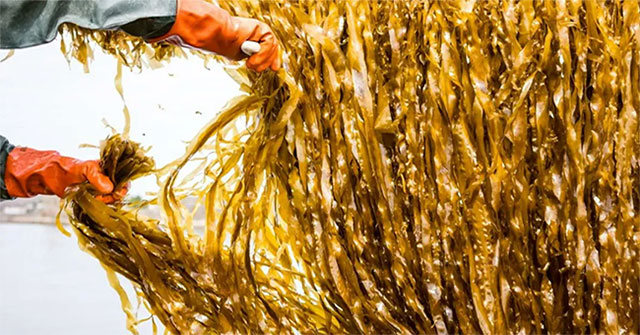
In the future, we can eat seaweed instead of animal meat
From kelp burgers to sea bacon, sustainable food entrepreneurs are innovating to appeal to hungry human omnivores.
Browse ScienceInfo articles and explainers related to Artificial Meat.
34 published items.
From kelp burgers to sea bacon, sustainable food entrepreneurs are innovating to appeal to hungry human omnivores.

Good Meat Company will build a factory with 10 of the largest bioreactors in the world to grow meat, each with a capacity of 250,000 liters.
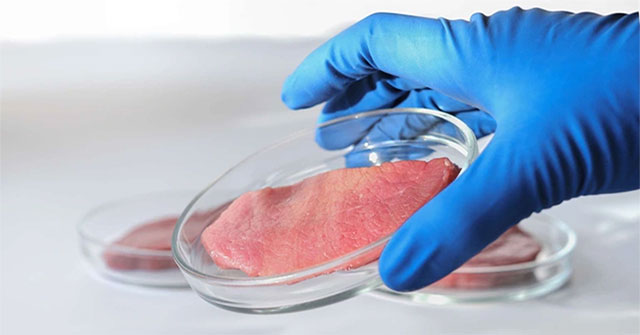
Acting as a reactor, the medicinal plant will provide substances that promote meat growth, significantly reducing the cost of artificial meat production.
SpaceX's Axiom Mission 1 mission on April 6 will bring a special device to the International Space Station (ISS) to research making meat in a zero-gravity environment.
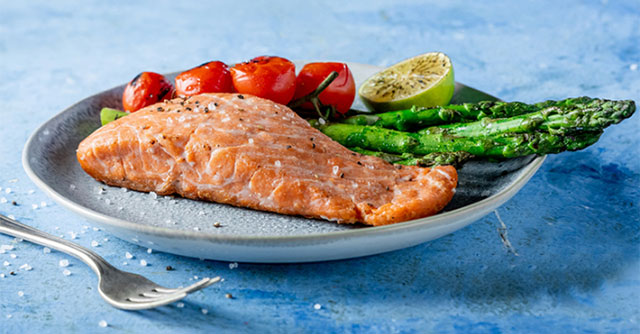
Israeli food technology startup Plantish is on a mission to save the oceans through the development of artificially grown meat.
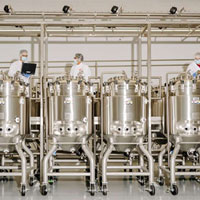
The Upside Foods factory is equipped with bioreactors to make meat from animal cells without slaughter.
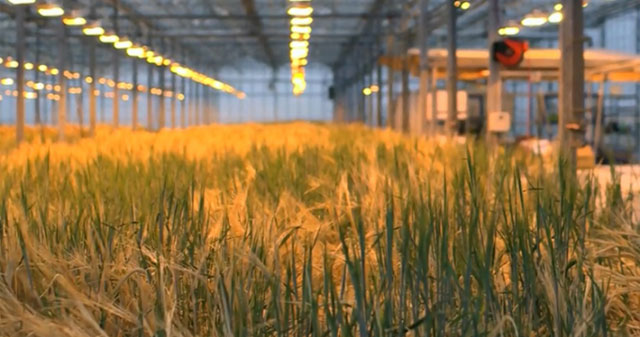
The Icelandic company is growing 130,000 genetically modified barley plants to harvest the protein used in the cell culture of meat.
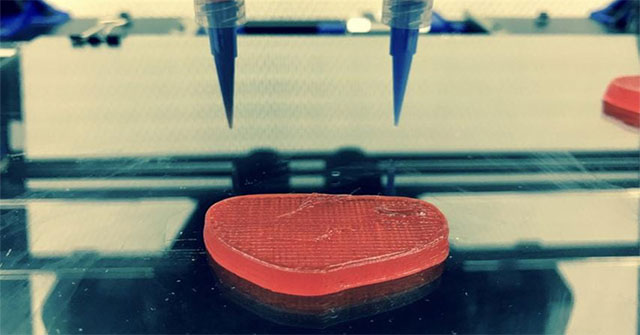
According to the team, the cost of printing 100g of meat with this technology is only about $ 3, not too high compared to buying meat directly in the supermarket.
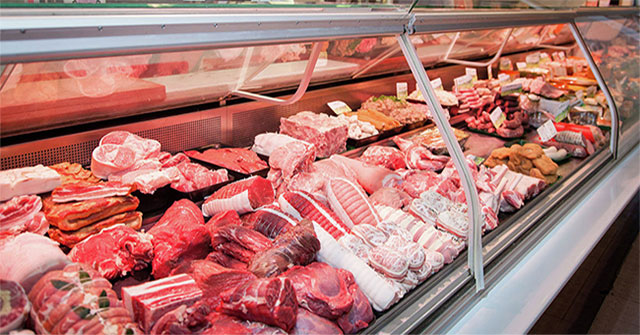
Russian scientists have been making artificial meat in laboratory conditions, so this special food can appear on stalls in Russia in 2023.
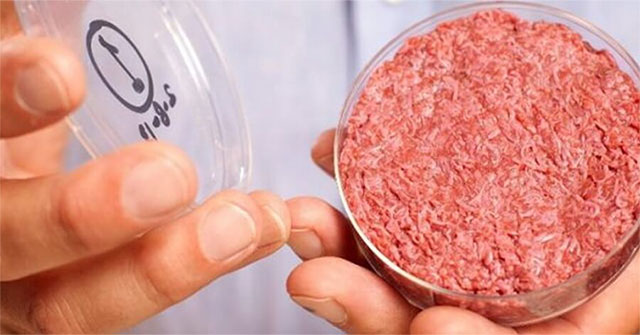
Protein and protein are the basis of life. Protein is also one of the four essential components of a diet. Meat is a major source of protein for most ordinary people.
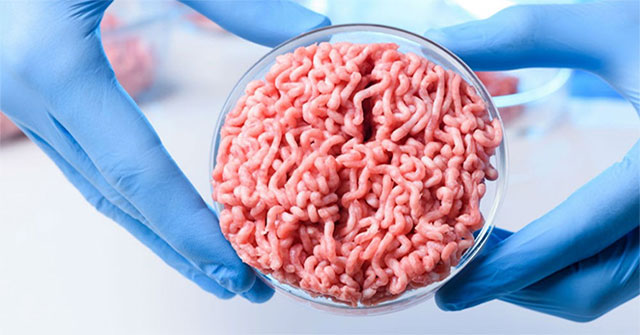
Now, we can even create solid meat in the laboratory, not just pure meats.
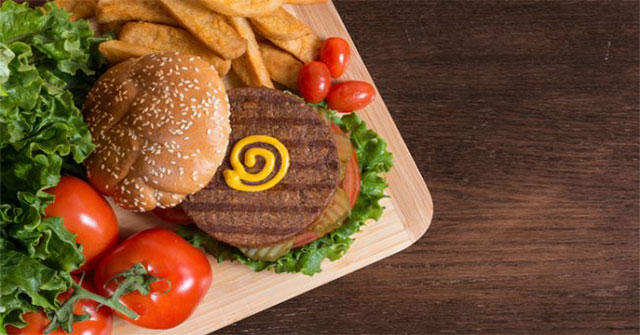
Experts predict that by 2040, most human consumption 'meat' products do not come from animals but 60% of which are of plant origin.
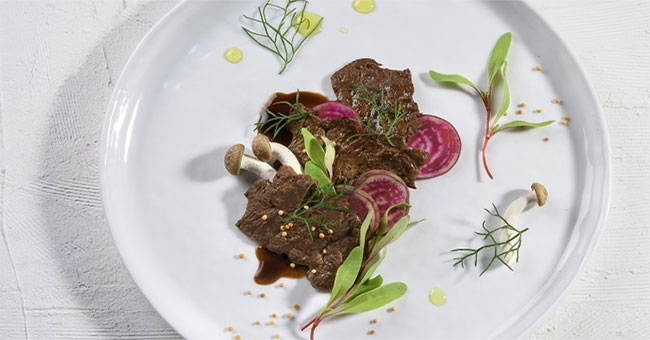
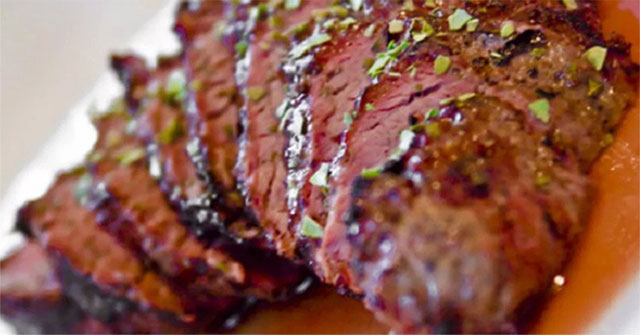
Based on the image of the beef piece, it is possible to see real beef fibers. It is likely that it is the product of the future, where people do not need to kill animals…
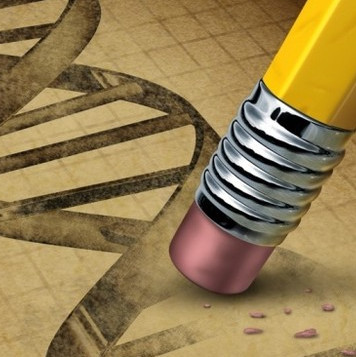
New advances in technology today can make a breakthrough in the world we live in.
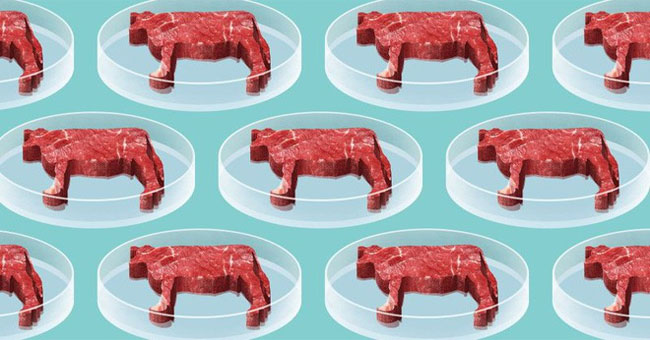
More than a century ago, cattle farmers were fiercely opposed to margarine. They emphasize that butter-like stuff made from vegetable oil is not butter.